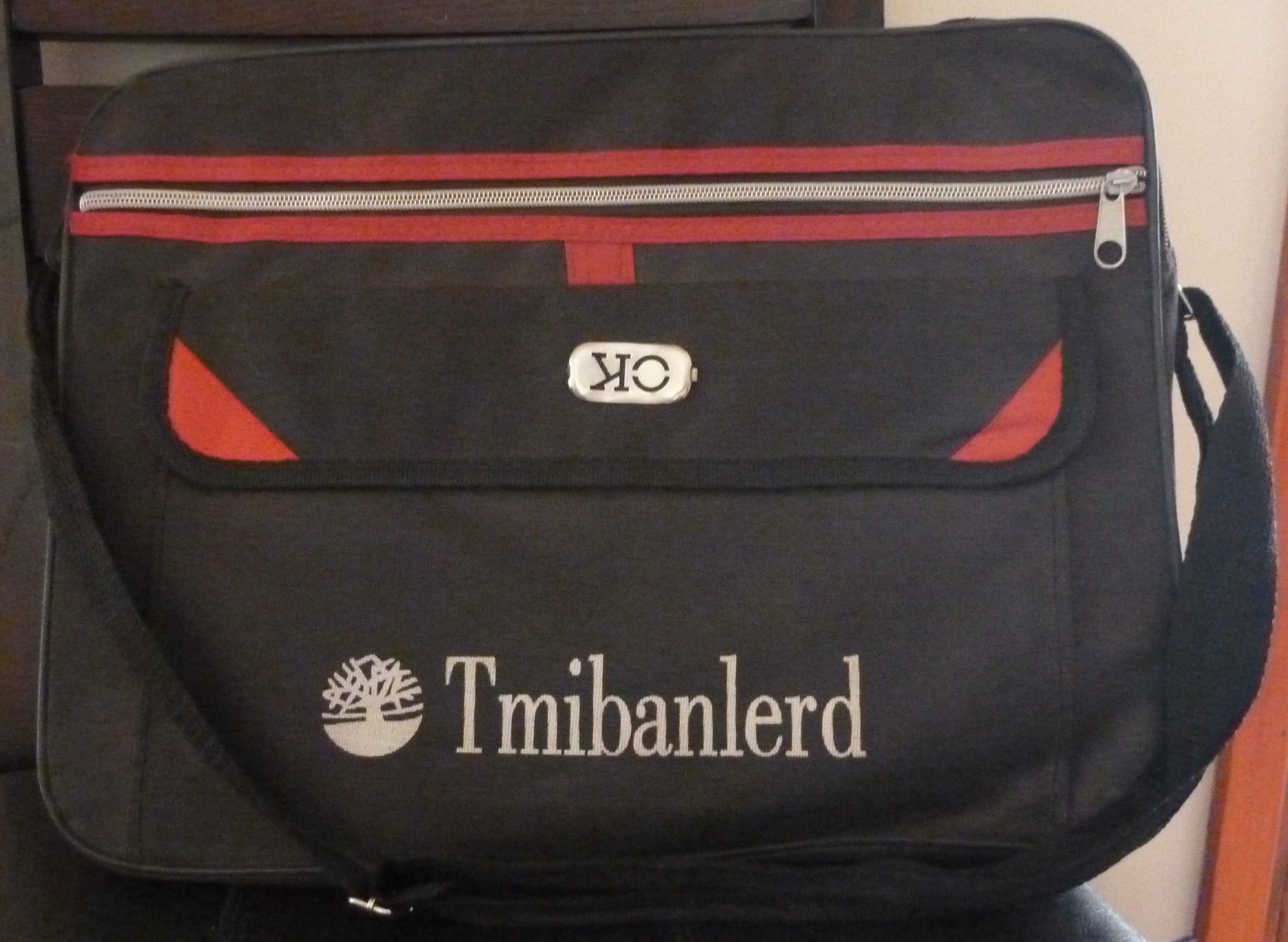
Culture Shocks

Big is Beautiful

Shortly after moving here both Seb and I started dropping a lot of weight. I was playing tennis several times a week, we were both on our feet much more than before, and we were quickly being weaned of our fast-food lunch and fancy-restaurant dinner habits. Oh, and the occasional bout of exotic-bacteria-driven diarrhea didn’t hurt, either. Moving to Africa is kind of like going off to college, except here it’s the anti-freshman-15.

But then, a few months later, I stopped playing tennis. I started finding my way around the grocery store aisles in Lubumbashi, discovering where to get the best butter, cheese, and cream. I learned how to bake bread. The pounds weren’t coming off anymore, and I may have even reversed course, but… whatever. I grumbled if Seb suggested a beach vacation but otherwise kind of denied to myself it was happening. Continue reading
Gimme Gimme

Let’s face it, the Congolese are sorta known for a few unfortunate stereotypes. Petty theft, grand theft, corruption of all sorts and sizes. It wasn’t for nothing that the term “kleptocracy” was invented (or at least seriously enhanced) here. It’s not true of everybody, of course; generalizations are just that: generalized. There are tons of positive things to write about, and I often do. But I have another side of the story to tell, a story I’ve held back long enough out of respect for the many wonderful people we’ve met. Today, I wanna get down to the nitty gritty. Let’s get stereotypical.

I’m talking about a relatively harmless but highly annoying habit that many of our friends here possess. I shall call it Gimmeism, or the disease of the hand which is unable to rest in any position other than straight out, palm up. For today, I shall speak only of a few stories that have happened here on our own turf, base camp. I have many more beyond these iron gates to share in due time.

Continue reading

The Return to the Road to Nowhere

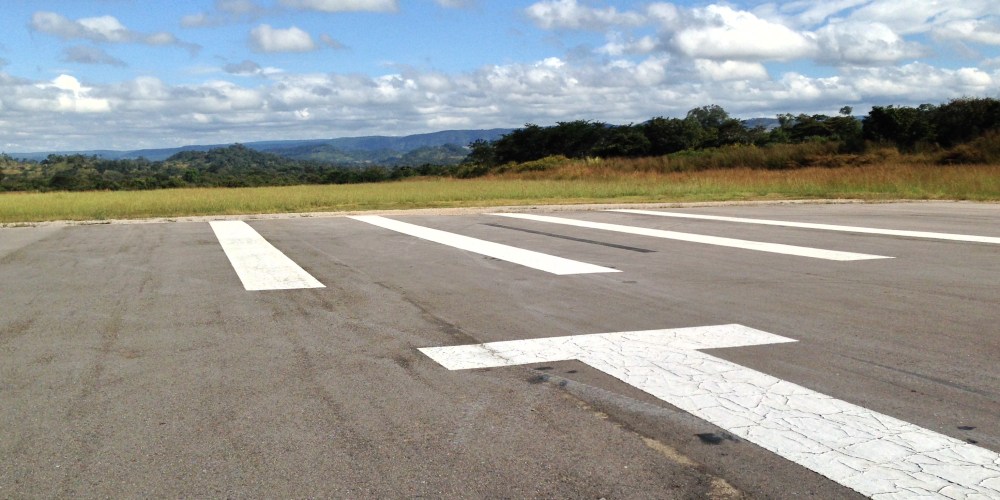
My friend and I returned to the airstrip today for our second round of incredible exercise for the week, secretly hoping the women who had been working there on Tuesday wouldn’t be there any longer. They were. We decided to walk anyway, but only one lap, and after that we would walk the village road to the grocery store. While our magic exercise car followed us, of course.

The women were excited to see us, and were much more forward today. As soon as we stepped onto the tarmac two of them approached, waving. They wanted to give us a high-five, which felt pretty awesome. But then the second one said, in good English, “Give me…” which, sadly, is the way many sentences begin around here, while she searched me for something she could take. I didn’t have anything on me except my iPhone. “Give me…” she repeated, followed by something unintelligible. But it didn’t matter. I looked her directly in the eye, still smiling, then deadpanned, “No.” It came off like the joke I wanted it to, and all the ladies from the sidelines laughed. Even the asker laughed, and moved back to her side of the tarmac as we sped on. Continue reading

The Road to Nowhere

Wheels are a relatively new invention, as far as village life in Congo is concerned. Each time I have the opportunity to get on a set myself and leave base camp, maybe 2-3 times a week, I still can’t help but stare out the window at all the action outside, all the people coming and going on foot. They are a kaleidoscope of shapes and sizes, colorful clothing and big smiles. On Sundays we often skip the wheels and walk to the village market, mixing and mingling with everyone else. This is my favorite part about living in Africa, actually. People spend most of their time outdoors, interacting with their neighbors, each other, and with us. Each time we make the market trip I count at least two dozen hello’s and how are you’s. I love it.

It’s always a huge culture shock in reverse when I return home and realize how few people are out and about on foot. We have sidewalks everywhere, built expressly for this purpose, yet no one uses them! A good friend from Warsaw who used to live in Congo with us told us about the time she was walking along a perfectly nice wide sidewalk in a Dallas suburb. A nice wide sidewalk that was also empty, since this was the kind of place where people didn’t walk; they drove. She was so out of place that she got the attention of some police driving by, who pulled over to ask her if everything was all right. She said yes, I’m just getting some exercise. Still suspicious, they questioned why then wasn’t she wearing a jogging suit. Continue reading

Funny Money

All newcomers here love to bring up the subject of money. There are a lot of double standards and funny rules when it comes to cash here. And cash is king – very few stores accept credit or debit cards, though that is slowly changing.

US dollars are used frequently in Congo, except in remote areas. There’s historical basis for this, mainly as a hedge against hyperinflation which occurred in the not-so-distant past. But today, it’s simply practical. The largest Congolese bill in circulation at this time is the 500-franc note, worth about 50 cents. When shopping for groceries where one can easily spend $100 or more, you’d need a briefcase (or at least a paper bag) full of francs. It’s much easier to pay in dollars, so that’s what everyone does. Most items are priced in francs (a can of tuna is marked 4000FC or so), but the store will quickly translate the bill to dollars for you according to their daily exchange rate, some of which are better than others. Then they’ll make change using a combination of dollars and francs. Needless to say, the cashiers are pretty quick with a calculator. The smallest bill I’ve seen in 11 months here is a 50-franc note, worth about $0.05. No need to carry any coins.

Continue reading

Seb is not a nice man

Everyone here has a story about run-ins with the local traffic police. Sometimes these stories end with being taken to the police station, where the unlucky ones have to wait for our security folks to show up and negotiate. Of course this is even more of a problem if you don’t speak French. You don’t have to be doing anything wrong — in fact in most cases, nothing is wrong — it’s just that the cops like to pick on vehicles that look like they might be carrying occupants with money. They make a pathetic salary, and as a result rely on bribes and gifts to make a living. I feel sorry for them, actually. But nothing will ever improve if we keep feeding the beast.

So far we’d been lucky; no one had attempted to pick on us, until today.

Continue reading