A friend gave me a cool collection of books yesterday. The first one I picked up to read is Outliers by Malcolm Gladwell. Similar to another favorite, Freakonomics, it challenges long-held beliefs about how certain things have come to be, and provides surprising correlations among data. Economics made fun. In this case, the notion of “success” is challenged. Economists have uncovered certain phenomena that show a person’s potential for success has more to do with their family, birthplace and even birth date than “traditional” success factors such as natural intelligence and ambition.
The Culture Shock of Children’s Stories
Do you remember The Three Little Bears and Little Red Riding Hood stories? I’m using them as teaching aides in my English classes with Congolese adult students. They’re the only books I can get my hands on that have simple French & English side by side. At first I thought they would resent having to read children’s books in class, but we’ve encountered quite different problems. For starters, bears and wolves and riding hoods are completely foreign to them. And many times the English sentence is phrased in an old-fashioned, unnatural way. But today, I realized an even greater cultural divide.
Funny Money
All newcomers here love to bring up the subject of money. There are a lot of double standards and funny rules when it comes to cash here. And cash is king – very few stores accept credit or debit cards, though that is slowly changing.
US dollars are used frequently in Congo, except in remote areas. There’s historical basis for this, mainly as a hedge against hyperinflation which occurred in the not-so-distant past. But today, it’s simply practical. The largest Congolese bill in circulation at this time is the 500-franc note, worth about 50 cents. When shopping for groceries where one can easily spend $100 or more, you’d need a briefcase (or at least a paper bag) full of francs. It’s much easier to pay in dollars, so that’s what everyone does. Most items are priced in francs (a can of tuna is marked 4000FC or so), but the store will quickly translate the bill to dollars for you according to their daily exchange rate, some of which are better than others. Then they’ll make change using a combination of dollars and francs. Needless to say, the cashiers are pretty quick with a calculator. The smallest bill I’ve seen in 11 months here is a 50-franc note, worth about $0.05. No need to carry any coins.
Howdy there…
This content has been moved to a new page, About this blog. But I didn’t want to lose your comments below, so haven’t deleted the post!
Seb is not a nice man
Everyone here has a story about run-ins with the local traffic police. Sometimes these stories end with being taken to the police station, where the unlucky ones have to wait for our security folks to show up and negotiate. Of course this is even more of a problem if you don’t speak French. You don’t have to be doing anything wrong — in fact in most cases, nothing is wrong — it’s just that the cops like to pick on vehicles that look like they might be carrying occupants with money. They make a pathetic salary, and as a result rely on bribes and gifts to make a living. I feel sorry for them, actually. But nothing will ever improve if we keep feeding the beast.
So far we’d been lucky; no one had attempted to pick on us, until today.

A King of the Congo
On July 2, 2011, we were invited to celebrate the anniversary of a local King’s ascension to the throne. There are chiefs everywhere, but not many Kings. This one was special, and we were pretty jazzed to take part in it. Continue reading
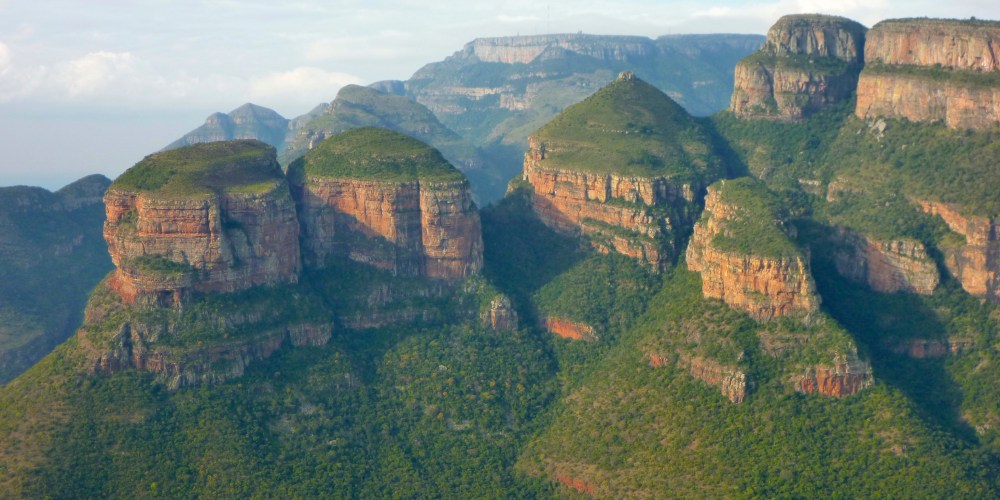
Mpumalanga (or, Where God Must Live)
Will Smith remarked on his first visit to Africa: “It feels like God visits everywhere else but lives in Africa.” I don’t know if he was specifically referring to South Africa when he said that, but if he was, then I think we stumbled upon God’s hometown. It’s in Mpumalanga province, specifically along the Drakensberg Escarpment, where the highveld is separated from the lowveld.
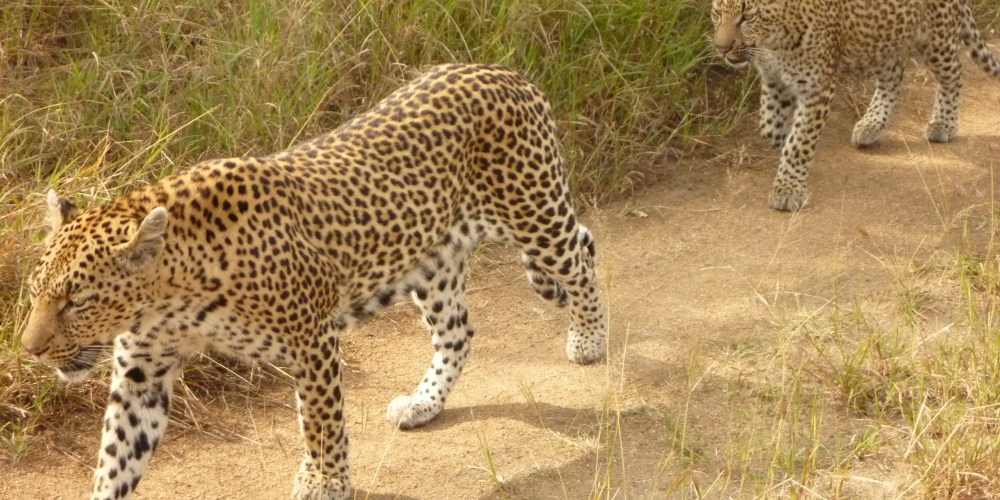
Safari Days 3-4 (or, Leopard’s Leap isn’t just a bottle of wine)
Gary wanted us to watch the sun rise from the top of a bluff, on foot. We were well on the road by 6am and on top of the bluff fifteen minutes later. Gary poured us a cup of coffee as the sun peeked over the horizon, and we listened to the sounds of the bush as it woke up. The first one to greet us was a klipspringer, a little antelope that bounces all over the rocks so quickly he “springs” from one to another. These animals have a little pad of flesh that grows in between their hooves on the bottom of their feet, giving them a softer landing and more staying power on the slippery rocks.
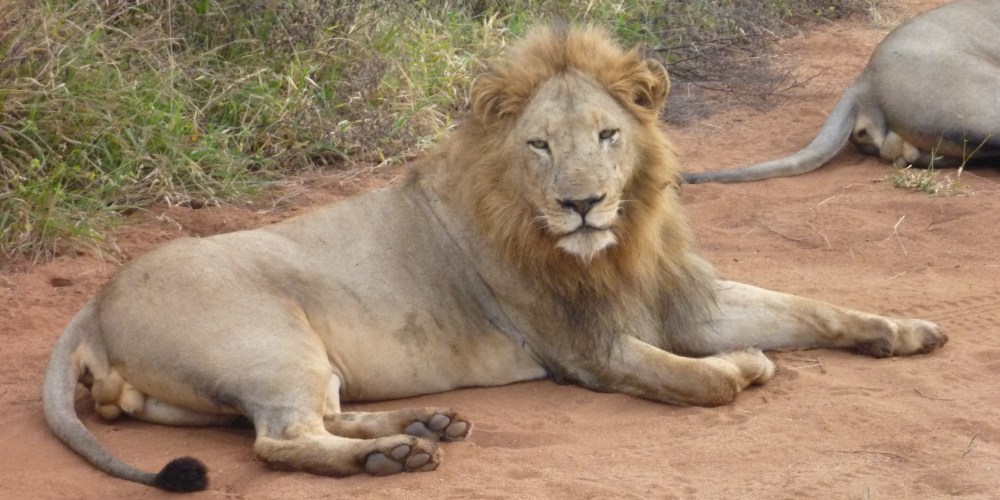
Safari Day 2 (or, The Brotherhood of Lions)
“Did you hear the lions roaring last night?” Gary asked us as soon as we reached the breakfast table, around 5:45 in the morning. We had, though at the time we thought it could have easily been our over-active imaginations. “There are four brothers in this territory. We saw one of them last night, remember? At the moment they’re spread out, but they were roaring all night long, locating each other. We estimate they will meet up sometime this morning. You’ll want to be there to see it when they do.”
So we slammed a cup of coffee, grabbed a danish, and, as soon as our safari mates arrived, jumped in the Land Rover to set off for the lions.
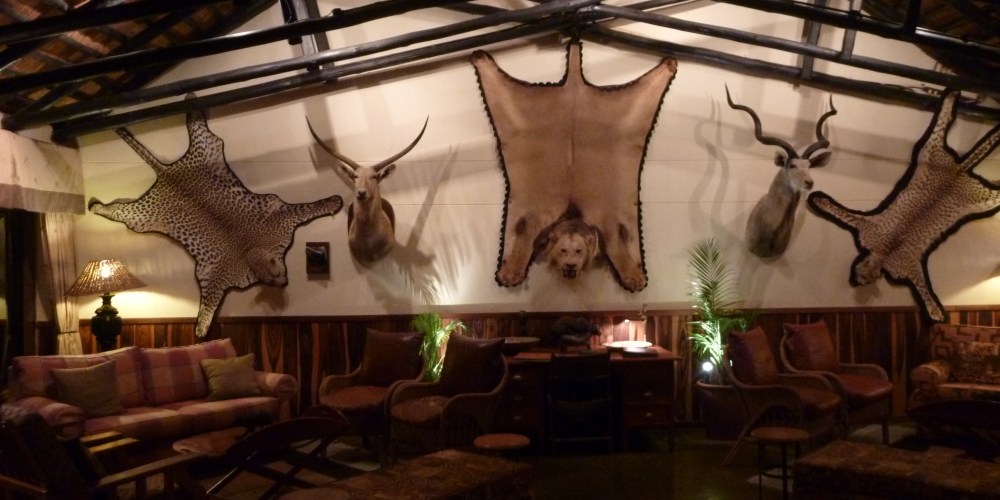
MalaMala Safari (or, Don’t Pet the Cats Here)
This story is dedicated to Ethan, who turns 7 years old today. Happy birthday, sweet nephew! May you have many excellent safaris in your future.
Bellies full and Table Mountain crossed off our to-do list, we left Cape Town and flew 2½ hours east to begin the next phase of our vacation in South Africa: an actual, honest-to-goodness, wild animal safari in the bush. We were headed to Kruger National Park, or rather just outside it, where many people opt for a self-drive safari. Us, on the other hand… we didn’t like the idea of wandering aimlessly around a savannah loaded with dangerous animals. We kind of wanted an expert to handle that.
 Adventures in Congo