Do you remember The Three Little Bears and Little Red Riding Hood stories? I’m using them as teaching aides in my English classes with Congolese adult students. They’re the only books I can get my hands on that have simple French & English side by side. At first I thought they would resent having to read children’s books in class, but we’ve encountered quite different problems. For starters, bears and wolves and riding hoods are completely foreign to them. And many times the English sentence is phrased in an old-fashioned, unnatural way. But today, I realized an even greater cultural divide.
africa
Funny Money
All newcomers here love to bring up the subject of money. There are a lot of double standards and funny rules when it comes to cash here. And cash is king – very few stores accept credit or debit cards, though that is slowly changing.
US dollars are used frequently in Congo, except in remote areas. There’s historical basis for this, mainly as a hedge against hyperinflation which occurred in the not-so-distant past. But today, it’s simply practical. The largest Congolese bill in circulation at this time is the 500-franc note, worth about 50 cents. When shopping for groceries where one can easily spend $100 or more, you’d need a briefcase (or at least a paper bag) full of francs. It’s much easier to pay in dollars, so that’s what everyone does. Most items are priced in francs (a can of tuna is marked 4000FC or so), but the store will quickly translate the bill to dollars for you according to their daily exchange rate, some of which are better than others. Then they’ll make change using a combination of dollars and francs. Needless to say, the cashiers are pretty quick with a calculator. The smallest bill I’ve seen in 11 months here is a 50-franc note, worth about $0.05. No need to carry any coins.
Seb is not a nice man
Everyone here has a story about run-ins with the local traffic police. Sometimes these stories end with being taken to the police station, where the unlucky ones have to wait for our security folks to show up and negotiate. Of course this is even more of a problem if you don’t speak French. You don’t have to be doing anything wrong — in fact in most cases, nothing is wrong — it’s just that the cops like to pick on vehicles that look like they might be carrying occupants with money. They make a pathetic salary, and as a result rely on bribes and gifts to make a living. I feel sorry for them, actually. But nothing will ever improve if we keep feeding the beast.
So far we’d been lucky; no one had attempted to pick on us, until today.

A King of the Congo
On July 2, 2011, we were invited to celebrate the anniversary of a local King’s ascension to the throne. There are chiefs everywhere, but not many Kings. This one was special, and we were pretty jazzed to take part in it. Continue reading
Green Wall Hike
I must have gotten a little spoiled taking all those photos at International Women’s Day last week. Only 8 days later and I’m running from the law because of my damn camera.
Actually I don’t know if the man who stopped to yell and chase us ladies down was “the law,” but he sure thought he was.
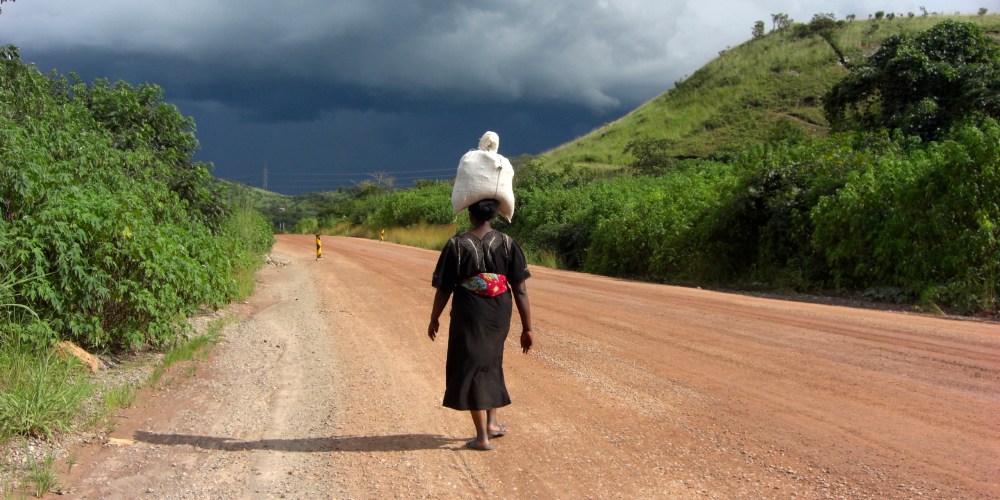
Here’s what happened. Three of us girls decided it was a beautiful day and we wanted to take a little hike outside the gates. They let us go out last week and march all over town, right?? This ought to be fine. Continue reading
International Women’s Day
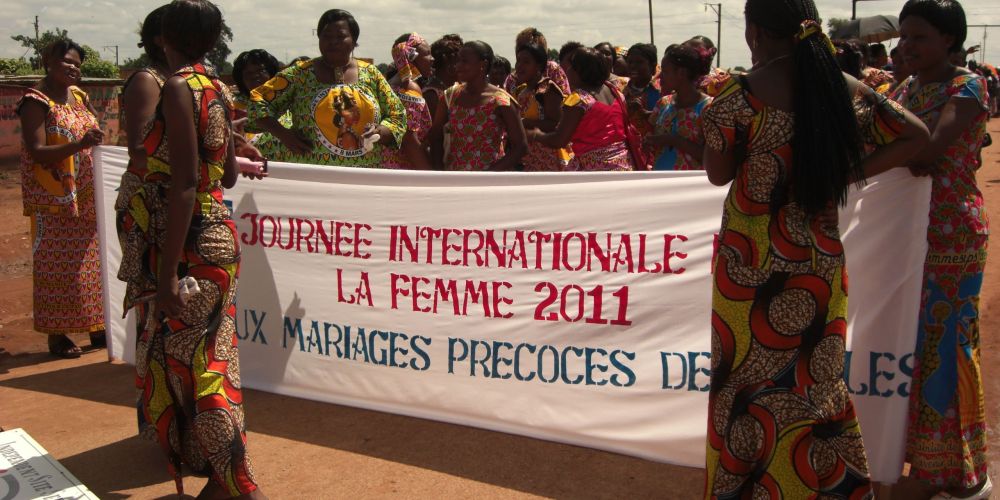
Normally it’s pretty difficult to take a camera into town. If someone sees you photographing the wrong person or place, they can make life rather unpleasant. Not so long ago it was illegal in Congo to take photos in public without a permit.
So it’s nice to get a “freebie” day every now and then, like International Women’s Day. Lots of people have their cameras out, and no one seems to mind. My first holiday here, 2011, I went kind of crazy. It was fun to photograph the kids, the beautiful ladies, the typical shops and the green, green surroundings. Continue reading
Tenke School Visit
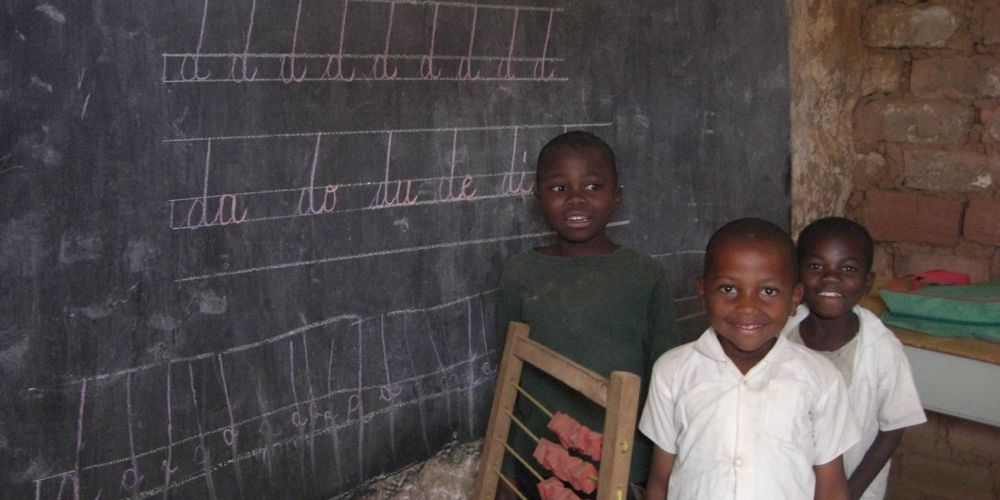
Today a group of us ladies went to tour the new clinic that the company has built, and help teach the ladies there how to do laundry in their new machines. But the highlight for me was an unplanned stop at a nearby school. All we had to do was peek in and say “Bonjour!” and the rooms erupted in returned greetings and laughter. Continue reading
Tenke Clinic Paint Job
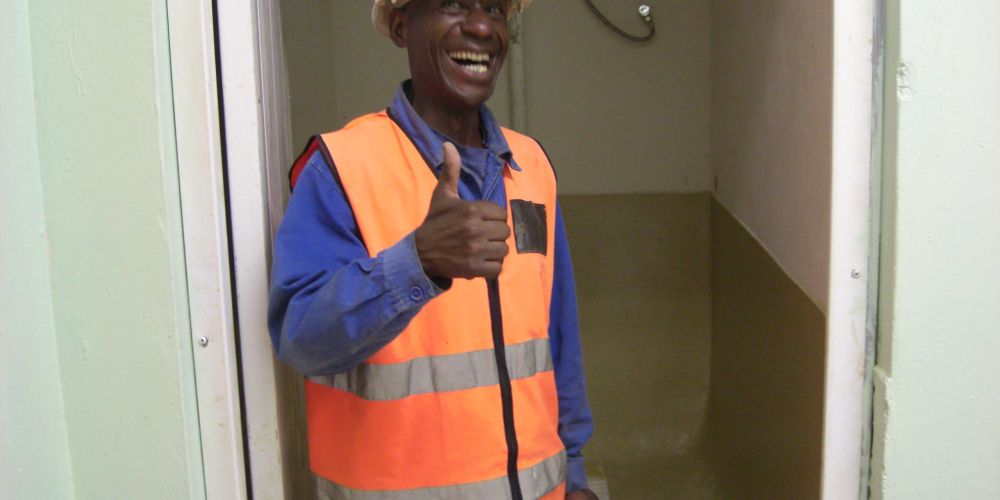
Today I jumped in Merv’s truck for a chance to visit nearby Tenke village. He’s building a new wing for the clinic there, and needed volunteers to help paint. At the BBQ last night, a friend from the Social Department and I agreed to go. Continue reading
First snake sighting
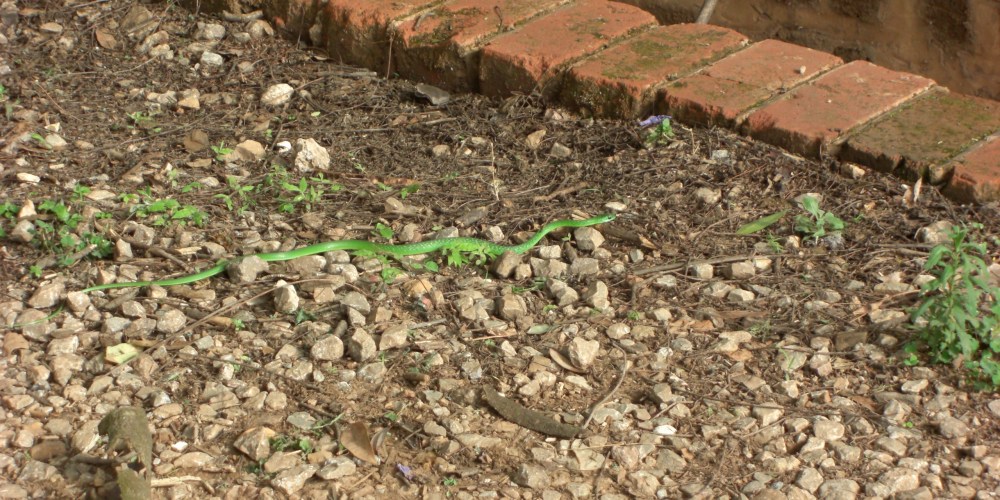
My part-time gardener, Lenge, came to the door today, all excited and definitely out of character. “Madame, madame! Le serpent!” He motioned for me to follow him. I grabbed my camera and did.
He took me down the gravel path a bit, where two other gardeners were standing around watching. He pointed to the green snake on the ground. Green mamba, I thought instinctively. Because they’re around, they’re dangerous, and this guy was definitely green.
I stepped forward to get a better look. The snake turned towards me just a bit. The three Congolese guys jumped backwards. Very helpful they would be in a pinch, I thought. But I wasn’t within striking distance, and darn it I wanted that picture. I stepped forward again and snapped this shot.
My amateur research online shows a Green Mamba that matches this description exactly. But I shipped the photo off to our resident doctor and herpetologist, who answered that it looks like the Angolan Green snake – in his words “harmless but can put up a good fight”!
Likasi Visit
A few months after we moved here, Seb’s chief geologist and Congolese mentor Papa Nzita invited us to meet his family and have a look around his adopted hometown of nearby Likasi, about two hours east by dirt road. Built up by the Belgians who originally called it Jadotville, Likasi was once one of the crown jewels of this region, even considered a tourist destination in many travel books of the time. Fifty years later and you can still see the beauty of the place… if you look with Congified glasses. Ignore the potholes, the peeling paint, every third abandoned or crumbled building and you’ll discover the skeleton of a beautiful colonial capital. Wide tree-lined boulevards, grand art-deco buildings, and roundabouts with large fountains (some of them even with water!). Surprisingly, I’m taken by the place. If Seb’s job took him this direction, I’d be happy to settle in here. Continue reading
 Adventures in Congo